In the middle of busy Durrës, surrounded by houses and cafés, lies one of the largest Roman amphitheatres in the Balkans. Built in the 2nd century AD, it once seated some 15,000–20,000 spectators.
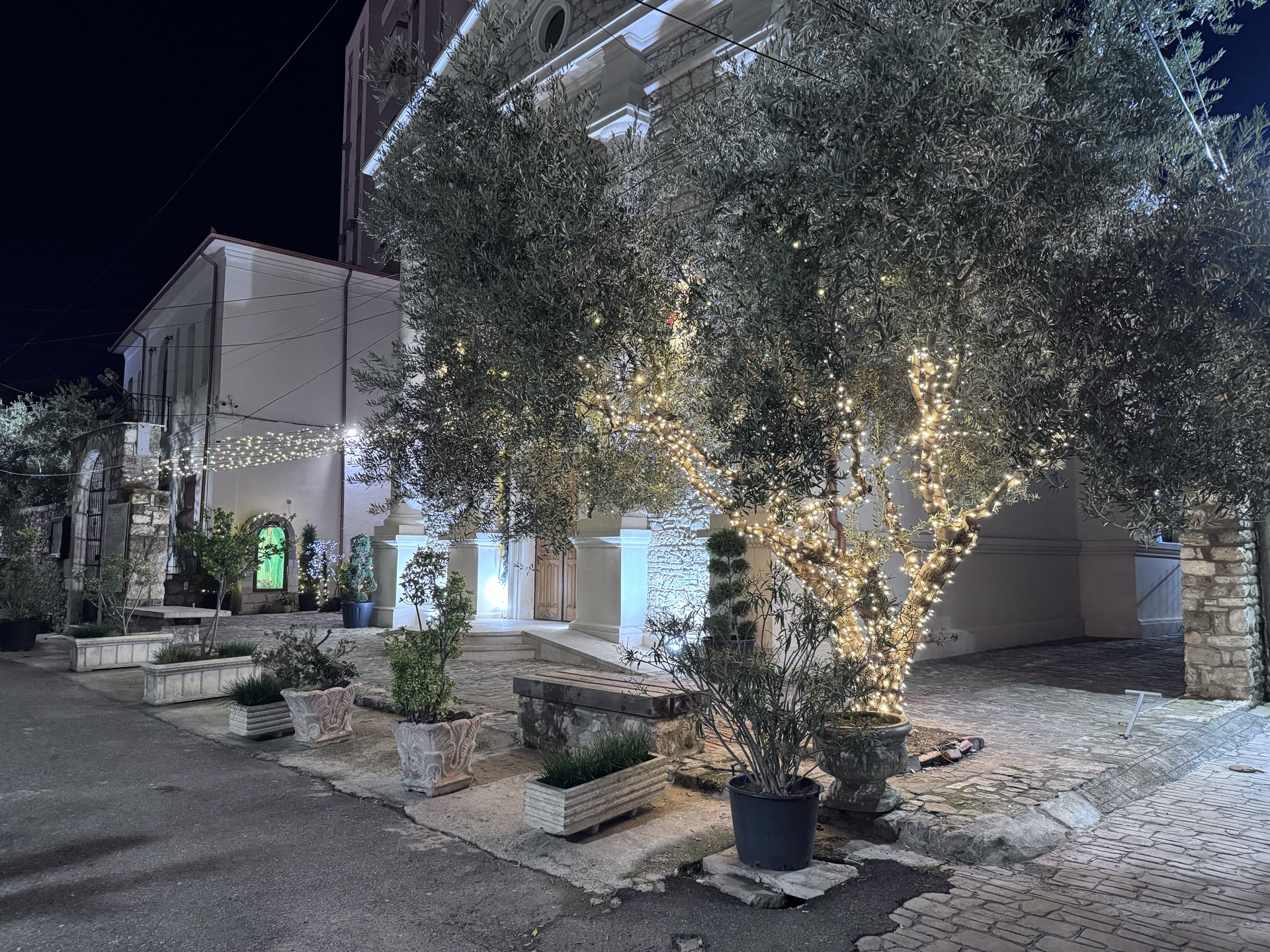
Much of it still lies beneath the modern town, which only adds to the atmosphere as you climb among the arches. Look out for the small early-Christian chapel inside, decorated with rare wall mosaics.
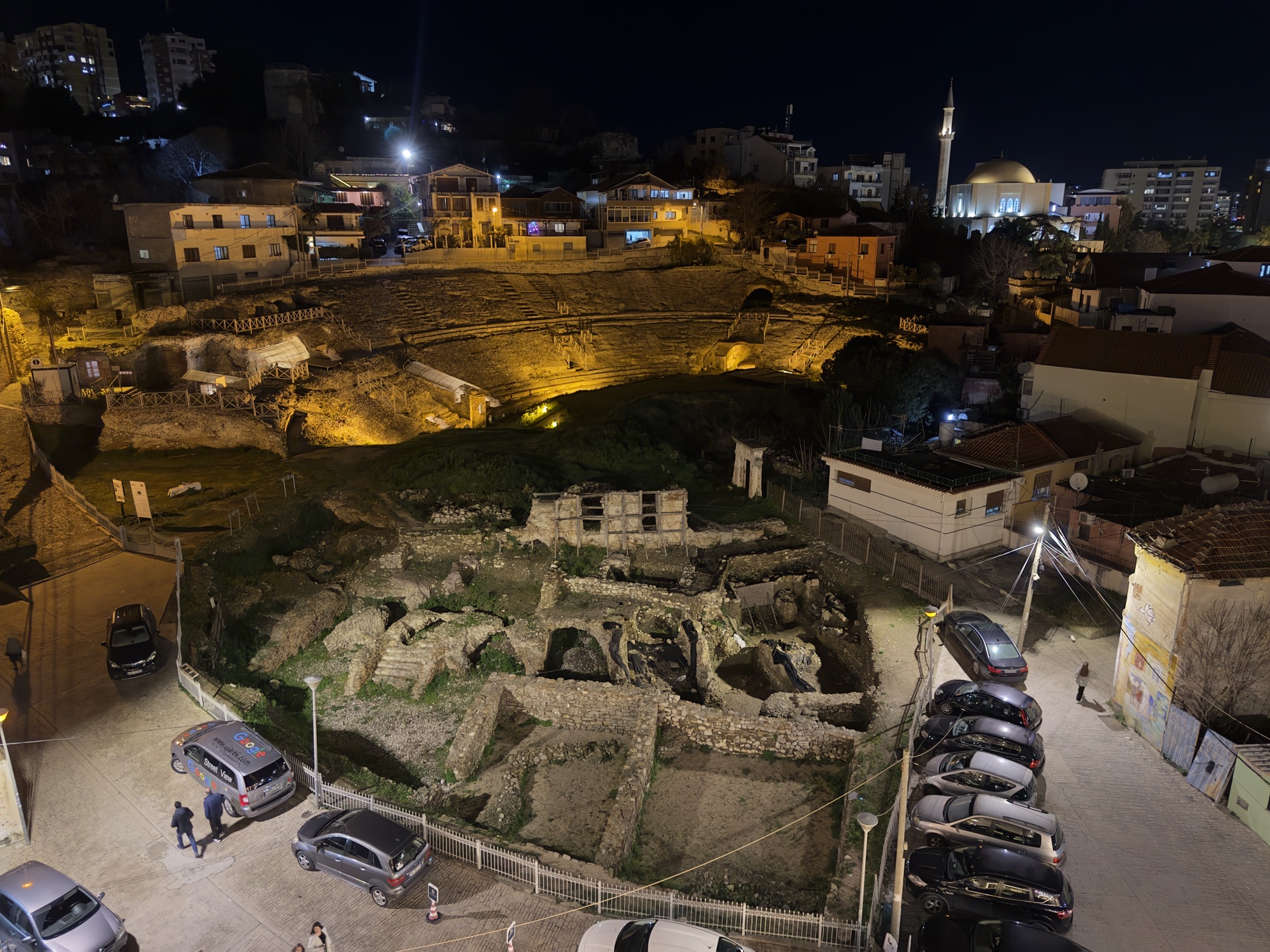
Good to know: the site is a short walk from the seafront and the port — easy to combine with a stroll along the promenade and a fish lunch.
📌 Practical info
| 💶 Currency | Albanian Lek (ALL) |
| 🗣️ Language | Albanian |
| 🛂 Visa | Visa-free for EU citizens (90 days) |
| 🕐 Time zone | CET (UTC+1, summer UTC+2) |
| 🔌 Power plug | Type C/F, 230V |
❓ Frequently asked questions
Is Albania safe for tourists?
Yes, Albania is considered safe for tourists. Crime rates are low, and locals are known for their warm hospitality. Standard travel precautions apply, especially in crowded tourist areas of Tirana and Sarandë.
What is the best time to visit Albania?
May to September offers warm weather ideal for the Riviera beaches and hiking in the Albanian Alps. June and September are particularly pleasant — warm enough for swimming with fewer crowds than peak July-August.
Do I need a visa for Albania?
EU and US citizens can enter Albania visa-free for stays up to 90 days. A valid passport is required.
What currency is used in Albania?
The Albanian Lek (ALL). Euros are accepted in many tourist areas and hotels, but you'll get better rates paying in local currency. ATMs are widely available.